Why Is My Child So Anxious? (And What Parents Can Do)
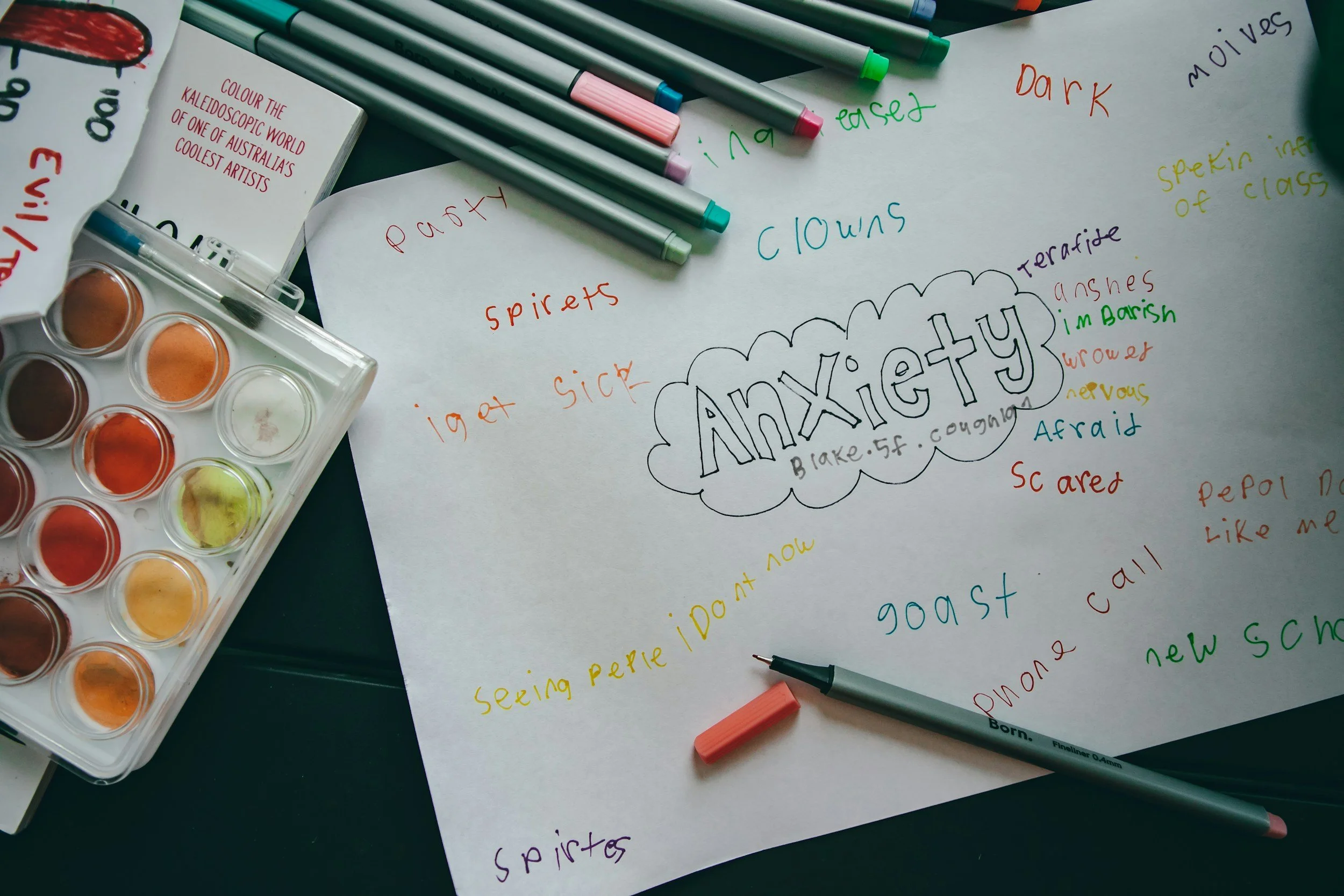
Why your child seems anxious
(even if they don’t say it)
If your child has been more emotional, clingy, irritable, or resistant lately, you might be wondering:
“What is going on?”
Here’s the part most parents don’t realize:
Kids rarely say “I feel anxious.”
They show it through behavior.
What looks like:
Meltdowns
Defiance
Avoidance
“Overreacting”
…is often a nervous system that feels overwhelmed and doesn’t yet know how to cope.
What anxiety looks like in children
Anxiety in kids can be subtle—or it can look intense and confusing.
Common signs include:
Refusing school or activities
Frequent stomachaches or headaches
Trouble sleeping or nightmares
Clinginess or separation anxiety
Irritability or sudden emotional outbursts
Perfectionism or fear of making mistakes
👉 Important:
These behaviors are not random—they’re signals.
Why kids become anxious
Child anxiety doesn’t come out of nowhere. It’s usually a combination of:
1. A sensitive nervous system
Some kids are naturally more reactive and feel things more deeply.
2. Stress or change
Even small shifts (school, friendships, routines) can feel big to a child.
3. Lack of coping skills
Kids don’t automatically know how to regulate emotions—they have to learn.
4. Reinforcement cycles
Avoidance can temporarily reduce anxiety, which teaches the brain:
“Avoiding = relief”
…so the pattern continues.
What most parents try (and why it doesn’t work)
If you’ve tried:
Reassuring them over and over
Telling them “you’ll be fine”
Pushing them to just do it
Getting frustrated or shutting it down
👉 You’re not doing anything wrong.
But these approaches often don’t work because:
Anxiety is happening in the body, not just thoughts
Kids need regulation before reasoning
Skills—not pressure—create change
What actually helps (practical strategies)
1. Regulate first, then respond
Your calm nervous system helps regulate theirs.
Instead of:
“Calm down”
Try:
“I can see this feels really big right now. I’m here.”
2. Validate before fixing
Validation doesn’t mean you agree—it means you understand.
“That makes sense you feel nervous about this.”
3. Reduce avoidance gradually
Avoidance strengthens anxiety.
Instead:
Take small steps
Build tolerance slowly
Celebrate effort (not just success)
4. Create predictability
Routines reduce uncertainty—which reduces anxiety.
5. Teach emotional language
Help your child name what they feel:
“Nervous”
“Worried”
“Overwhelmed”
👉 Naming emotions builds regulation over time.
When to consider therapy
It may be time to get support if:
Anxiety is interfering with school or daily life
Your child is avoiding more and more situations
Emotional reactions feel intense or constant
Nothing you’ve tried seems to help
How therapy helps children with anxiety
Therapy helps kids:
Understand what they’re feeling
Build emotional regulation skills
Reduce avoidance
Gain confidence handling challenges
It also helps parents:
Know how to respond in the moment
Reduce power struggles
Support their child more effectively
For parents: this part matters
If your child is struggling, it’s easy to feel:
Frustrated
Helpless
Like you’re doing something wrong
👉 You’re not.
Most parents were never taught how to respond to anxiety—especially when it shows up as behavior.
The bottom line:
Your child isn’t being difficult.
They’re having a difficult time.
And with the right support, skills, and understanding—things can change.
Ready for support?
If your child is struggling with anxiety, you don’t have to figure it out alone.
Therapy can help both you and your child understand what’s going on—and what to do next.
👉 Schedule a consultation to get started
